Understanding Common Pests in Montreal: Identification & Behavior
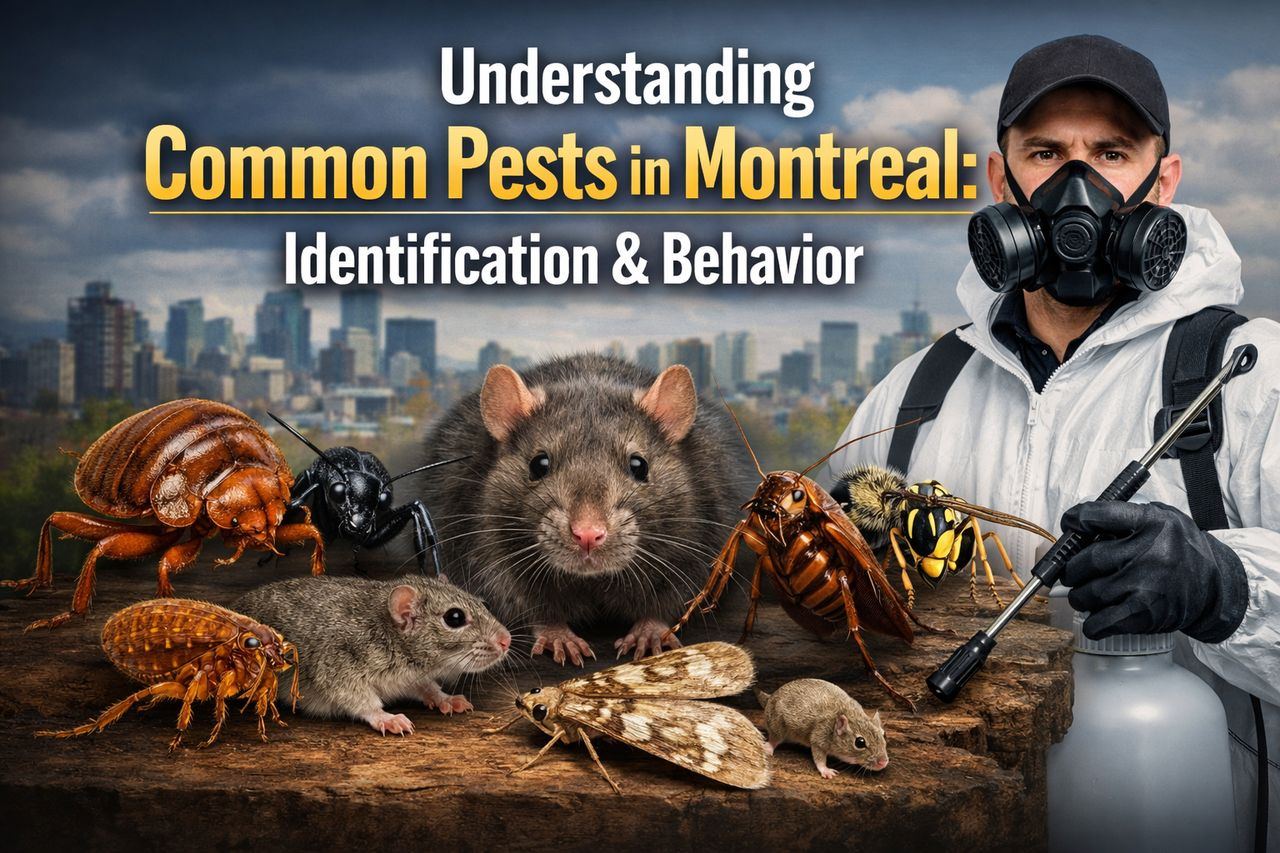
Discovering unwanted guests in your home or business can be unsettling, to say the least. In Montreal, like any bustling urban center, a variety of pests seek shelter, food, and water within our structures, turning comfortable spaces into compromised ones. Accurately identifying these common pests in Montreal is the critical first step towards effective pest management. Without knowing what you're dealing with, you might waste time and money on ineffective solutions.
This comprehensive guide will help you identify pests in Montreal by outlining their unique physical characteristics and typical behaviors. Understanding these nuances empowers you to recognize an infestation early, gauge its severity, and make informed decisions about professional intervention. From the tell-tale signs of a rodent problem to the elusive nature of bed bugs, we'll equip you with the knowledge to protect your property and peace of mind.
Our expertise, combined with eco-friendly solutions and 24/7 emergency services, ensures that once identified, these pests are dealt with swiftly and efficiently. Let's delve into the world of Montreal's most prevalent pests, so you can better safeguard your environment.
A Visual Guide to Montreal's Most Prevalent Pests
When faced with a pest problem, visual identification is often the first and most crucial step. Knowing what to look for can prevent misidentification, which often leads to wasted effort and prolonged infestations. Here's a breakdown of the most common pests you might encounter in Montreal, focusing on their key distinguishing features and behaviors.
Rodents: Rats and Mice
Mice are typically small, slender, with large ears and a long, thin tail. Their droppings resemble tiny black grains of rice. They are curious and often explore new objects. Rats, on the other hand, are larger, more robust, with smaller ears relative to their body size, and a thick, scaly tail. Their droppings are larger, capsule-shaped. Rats are more cautious and tend to avoid new objects (neophobia). Both are primarily nocturnal, often heard scurrying in walls or attics at night. Look for gnaw marks on food packaging, wiring, or structural elements, and greasy rub marks along baseboards and walls. For persistent rodent issues, professional intervention is key to ensuring complete eradication and preventing recurrence.Bed Bugs: Tiny but Troublesome
Bed bugs are small, reddish-brown, oval-shaped insects, about the size of an apple seed. They are flat before feeding, becoming more engorged and reddish after a blood meal. They are wingless and cannot fly. Signs of their presence include small, itchy red bites, often in a line or cluster, on exposed skin. You might also find tiny bloodstains (from crushed bugs), dark fecal spots (digested blood), or shed skins on your mattress, bedding, furniture, or walls. Bed bugs are nocturnal, hiding in cracks and crevices during the day, emerging at night to feed. They are notoriously difficult to eliminate through DIY methods due to their resilience and ability to hide. If you suspect bed bugs, immediate professional Bed Bug Extermination Montreal: Sleep Soundly Again is highly recommended.Ants: From Trails to Colonies
Montreal is home to various ant species, most commonly the pavement ant and the carpenter ant. Pavement ants are small (2.5-4 mm), dark brown to black, with two nodes on their petiole (the waist-like segment between thorax and abdomen). They are often seen trailing in large numbers, foraging for food, especially sweets and grease. Carpenter ants are larger (6-12 mm), typically black, and have a single node on their petiole. They don't eat wood but excavate galleries in moist or decaying wood to build their nests, which can cause significant structural damage over time. You might see sawdust-like frass near infested wood. Identifying the specific ant species is crucial for effective treatment, as their behaviors and nesting habits vary.Cockroaches: Resilient and Resourceful
The most common cockroach in Montreal is the German cockroach, though Oriental and American cockroaches also appear. German cockroaches are light brown to tan, with two dark stripes running parallel down their pronotum (the shield-like segment behind the head). They are small (1.1-1.6 cm), quick, and often found in kitchens and bathrooms, preferring warm, humid environments. They are mostly nocturnal and reproduce rapidly. Signs include small, dark fecal specks (resembling coffee grounds), shed skins, and a distinct, musty odor. Cockroaches are vectors for bacteria and allergens, posing health risks. Early and aggressive action is vital to prevent a widespread infestation.Understanding Pest Habits and Seasonal Activity
Pest activity in Montreal isn't constant; it fluctuates with seasons, temperature, and food availability. Understanding these patterns is a key aspect of effective pest control, allowing for proactive prevention and timely intervention. Recognizing the pest characteristics in Montreal across different seasons helps residents and businesses stay one step ahead of potential infestations.
Spring & Summer Surges
As Montreal thaws from its long winter, many pests become more active. Ants emerge from their nests in search of food and water, often forming visible trails into homes. Wasps and hornets begin building nests, becoming a nuisance and a sting hazard, particularly in late summer. Spiders also become more visible as their prey insects multiply. This is the prime time for outdoor activities, which inadvertently bring pests closer to our living spaces. Mosquitoes and other biting insects are also at their peak.Fall & Winter Invasions
As temperatures drop, many pests seek warmth and shelter indoors. This often leads to increased activity from rodents (mice and rats) trying to escape the cold. They can squeeze through tiny openings, often found around foundations, utility lines, and gaps in siding. Cluster flies and boxelder bugs may aggregate on the sunny sides of homes before finding their way into attics and wall voids for overwintering. Even pests like bed bugs can see a resurgence, often brought in from travel or second-hand furniture as people move indoors more frequently. Understanding this seasonal shift is crucial for implementing preventative measures. For a detailed look at what pests to expect year-round, consult our Calendrier des Parasites à Montréal: Quels Nuisibles Surveiller Chaque Saison 2026.Year-Round Threat: Cockroaches and Bed Bugs
Some pests, however, are less influenced by seasonal changes, thriving indoors regardless of outdoor temperatures. Cockroaches and bed bugs are prime examples. They prefer stable, warm, and humid environments, which homes and businesses provide year-round. These pests rely on human activity for transportation (e.g., bed bugs hitchhiking in luggage or on clothing) and food sources (food crumbs for cockroaches, human blood for bed bugs). Their continuous presence means vigilance is always necessary, and professional inspection should be considered at the first sign of an issue, no matter the season.The Importance of Correct Identification for Effective Treatment
When you notice signs of pests, your immediate thought might be to reach for a DIY solution. However, accurately identifying the specific pest is paramount. Misidentification is one of the most common reasons why DIY pest control efforts fail, leading to prolonged infestations, increased costs, and unnecessary exposure to chemicals. To truly identify pests in Montreal and implement the right strategy, professional expertise is often indispensable.
DIY Risks vs. Professional Expertise
Many over-the-counter pest control products are broad-spectrum, meaning they might kill a range of insects but aren't tailored to the specific biology or behavior of a particular pest. For instance, a bait designed for ants might be ignored by cockroaches, or a general insecticide might not penetrate the hidden harborages of bed bugs. Furthermore, improper application of pesticides can be hazardous to your family, pets, and the environment. This is where the expertise of a professional exterminator shines. With specialized knowledge and tools, they can accurately identify the pest, understand its life cycle, and determine the most effective and safest treatment plan. When deciding between DIY and professional help, consider the long-term implications. Understanding Extermination DIY ou Professionnelle à Montréal? Le Guide Complet 2026 can save you time, money, and stress.Why Misidentification Fails
Each pest species has unique vulnerabilities and resistances. Treating a rodent problem with insect traps will yield no results, just as using a general spray for a bed bug infestation won't eradicate the eggs or hidden adults. Misidentification can also lead to:- Targeting the wrong source: Pests like carpenter ants require treatment of their nest within wood, not just surface spraying.
- Ignoring hidden populations: Many pests, especially cockroaches and bed bugs, are adept at hiding, making surface treatments insufficient.
- Building resistance: Repeated use of incorrect pesticides can lead to pest populations developing resistance, making future professional treatments more challenging.
When to Call the Experts
If you're unsure about the type of pest, if the infestation is widespread, or if previous DIY attempts have failed, it's time to call in the professionals. ExtermExpress's certified technicians are trained to identify even the most elusive pests and understand their specific pest characteristics in Montreal. Our comprehensive inspections help pinpoint the exact nature of the problem, allowing us to deploy targeted, effective, and often eco-friendly solutions. Don't let a pest problem escalate due to uncertainty; early professional intervention is key.Beyond Sight: Recognizing Subtle Signs of Infestation
While seeing a pest directly is a clear indicator, many pests are nocturnal, shy, or excellent at hiding. Therefore, recognizing the more subtle signs of an infestation is crucial for early detection, especially for common pests in Montreal. These indirect clues, when pieced together, can paint a clear picture of what unwelcome guests have made their way into your space.
Droppings and Gnaw Marks
Perhaps the most common indirect signs of rodents are their droppings and gnaw marks. Mouse droppings are tiny, dark, and pellet-shaped, often found near food sources, in drawers, or along pathways. Rat droppings are larger, more capsule-shaped. Gnaw marks on food packaging, electrical wires, wooden structures, or furniture edges indicate rodent activity. These marks are typically irregular and can vary in size depending on the rodent. Spotting these signs early is crucial for effective Rodent Control Montreal: Effective Mouse & Rat Extermination and preventing structural damage or health risks.Unusual Odors and Sounds
Certain pests leave behind distinct olfactory or auditory clues. A musty, oily odor can be a strong indicator of a severe cockroach infestation. In the case of rodents, a lingering musky scent, especially in enclosed areas, often signifies their presence. At night, you might hear scratching, gnawing, or scurrying sounds coming from walls, attics, or ceilings, particularly if rodents or carpenter ants are active. The buzzing of a large wasp nest might also be audible near windows or eaves during warmer months.Physical Evidence: Bites and Cast Skins
While some bites are difficult to attribute to a specific pest without other evidence, certain patterns can be telling. Bed bug bites often appear as small, red, itchy welts, frequently in lines or clusters on exposed skin. Flea bites tend to be around ankles and lower legs, characterized by small, red, intensely itchy bumps. Beyond bites, look for other physical evidence. Shed skins (exoskeletons) from cockroaches, bed bugs, or spiders can often be found in secluded areas. Tiny blood spots on bedding are also a strong sign of bed bug activity. If you're noticing unexplained bites or these types of physical evidence, it's a good time to consider When to Call an Exterminator: Signs of a Pest Infestation in Montreal.Frequently Asked Questions About Montreal Pests
Here are some common questions we receive regarding pest identification and control in the Montreal area.
Q: What should I do if I find a pest I can't identify?
A: If you encounter a pest and are unsure of its identity, try to take a clear photo or safely collect a specimen. This information can be invaluable for a professional exterminator. Avoid attempting to treat it yourself if you're uncertain, as misidentification can lead to ineffective treatments. Contacting a professional for an inspection is the best course of action.Q: Are eco-friendly pest control options effective for all pests?
A: Eco-friendly solutions are highly effective for many common pests in Montreal. ExtermExpress prioritizes integrated pest management (IPM) strategies, which include non-chemical methods and targeted, responsible use of products when necessary. Our Extermination Écologique à Montréal: Solutions Respectueuses et Encadrées par le certificat CD5 page provides more details on our approach. The effectiveness often depends on the type of pest and the severity of the infestation.Q: How quickly can pests reproduce in Montreal's climate?
A: The reproduction rate of pests varies greatly by species. Cockroaches and bed bugs, for instance, can reproduce very rapidly, leading to exponential population growth in warm, indoor environments. Rodents also have short gestation periods and large litters. Montreal's cold winters can slow down outdoor pest reproduction, but indoor infestations can thrive year-round, making prompt action critical.Q: How can I prevent common pests from entering my Montreal home?
A: Prevention is key! Seal cracks and gaps in foundations, walls, and around utility pipes. Ensure screens on windows and doors are intact. Keep your home clean, store food in airtight containers, and manage moisture. Regular inspections, especially during seasonal changes, can also help catch potential entry points early. For more detailed advice, read our comprehensive Prévention des Parasites à Montréal: Astuces et Stratégies pour un Foyer Sans Nuisibles guide.Q: Is there a guarantee for pest control services?
A: Reputable pest control companies, like ExtermExpress, typically offer satisfaction guarantees for their services. This often includes follow-up treatments if the pest problem persists after the initial service. It's always a good idea to clarify the terms of any guarantee before proceeding with treatment.Conclusion
Understanding the common pests in Montreal, along with their unique characteristics and behaviors, is your best defense against an infestation. Early and accurate identification is not just about peace of mind; it's about safeguarding your property, your health, and your investment. From the subtle gnaw marks of a rodent to the tell-tale bites of a bed bug, knowing what to look for empowers you to take prompt action.
While this guide provides valuable insights, complex infestations often require the nuanced expertise of a professional. Whether you're dealing with ants, rodents, bed bugs, or any other pest, our 24/7 emergency service ensures a rapid and effective response. Don't let pests compromise your comfort or safety.
If you suspect a pest problem in your Montreal home or business, don't hesitate. Contact ExtermExpress today for a thorough inspection and a tailored, effective pest control solution. Protect your space with the experts who understand Montreal's pest challenges best.